This media activation, designed by NÜ for Tourisme Mauricie, was honoured at the Cas d’Or awards, recognizing an approach that combines environment relevance, performance, and the valorization of Quebec media.
In a context where Quebecers already know the province’s main destinations, the challenge is no longer simply to raise awareness. What truly influences the choice of a destination is the ability to present an offer that feels relevant and inspiring. For Tourisme Mauricie, this meant building desire to visit before departure, influencing decisions during the stay, and showcasing the businesses that bring the destination to life.
To address these challenges, NÜ designed a programmatic strategy for Tourisme Mauricie built around three complementary activations, each intended to intervene at a key moment in the traveller’s journey. True to its media investment policy, which already allocates 86% of its investment to Quebec media (overall MIP), Tourisme Mauricie shared our conviction that a local strategy could create greater value. We therefore chose to run this campaign exclusively across premium Quebec inventory, prioritizing quality editorial environments in close affinity with the target audiences.
Beyond the immediate results, this campaign aimed to turn delivery data into strategic decisions. The goal was to identify the most effective combinations of environments, targeting, activations, and creative in order to optimize Tourisme Mauricie’s future campaigns.
The results confirmed this approach: over 700,000 people reached, an average viewability of 85%, and more than 47,000 qualified visits to the Tourisme Mauricie website. The resulting traffic showed an average session duration twice the site average and an outbound click-through rate of 13.69%, compared with 2.20% across all traffic sources, demonstrating a strong propensity among visitors to continue exploring the destination’s offering.
The Objectives
- Influence the decisions of visitors already in Mauricie, through contextualized communication that encourages the discovery of activities, attractions, and experiences during their stay. In 2025, 25% of visitors were still discovering new places during their stay as they built their travel experience.
- Increase visibility for participating members of the Mauricie tourism industry by giving them access to advertising activations built on targeting, optimization, and media quality best practices.
- Maximize delivery quality by relying exclusively on premium Quebec inventory within relevant editorial environments, supporting more responsible use of media investment, reducing ad waste, and helping limit digital carbon footprint.
- Identify the top-performing tourism themes, audiences, and environments to inform future promotion strategies.
Our Methodology
A strategy built around the traveller’s journey
Rather than delivering a single message to the entire audience, NÜ structured the campaign around three complementary activations, each addressing a specific moment in the traveller’s journey.
The first aimed to build visit intent among key Quebec markets. The second sought to influence visitors already in Mauricie through a geolocation-based approach. Finally, a third activation was dedicated to increasing visibility for participating members through targeted, contextualized campaigns.
Betting on a high-quality, 100% Quebec media ecosystem
To support this strategy, NÜ chose to run the campaign exclusively across premium Quebec inventory, activated through StackAdapt, a Canadian programmatic media buying platform.
A selection of recognized media outlets, including La Presse, Radio-Canada, TVA Nouvelles, Le Devoir, Le Soleil, Le Nouvelliste, MétéoMédia, Ricardo Cuisine, and Noovo Moi, among others, ensured delivery within credible, brand-safe editorial environments with strong affinity to the target audiences.
Adapting messages to audience motivations
The campaign relied on a combination of geolocation, mobility data, affinity targeting, and contextual targeting to adapt messages to the audience’s situation.
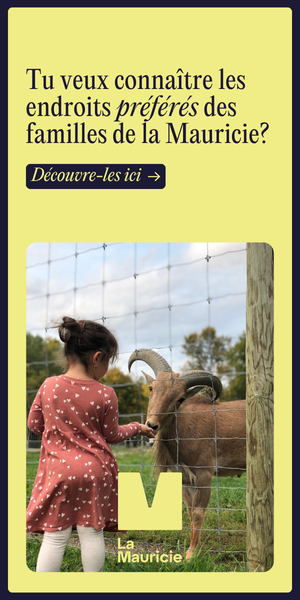
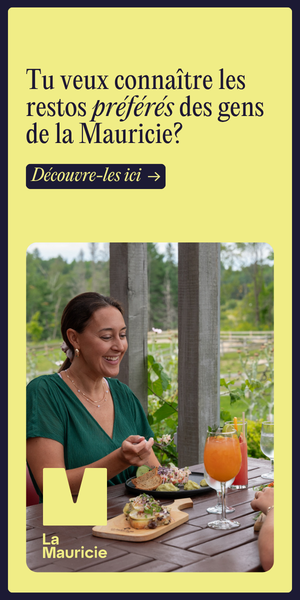
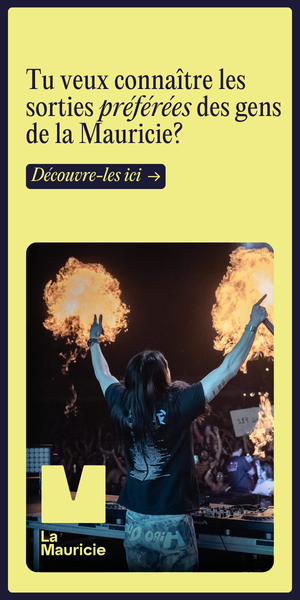
Four major creative worlds were developed, each tied to specific audiences and editorial contexts:
- Nature and outdoor activities
- Culture and events
- Food and dining
- Family
This approach made it possible to deliver more relevant content based on interests and the stage of the traveller’s journey.
Turning data into learnings
Beyond its visibility and consideration objectives, the campaign was designed to generate concrete learnings.
Performance analysis by activation, creative world, audience, inventory, and territory made it possible to identify the most effective approaches to inform Tourisme Mauricie’s future promotion strategies.
Campaign creative
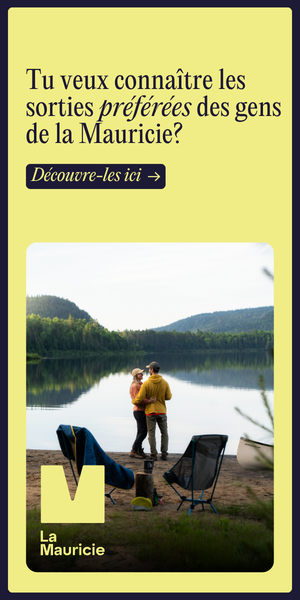
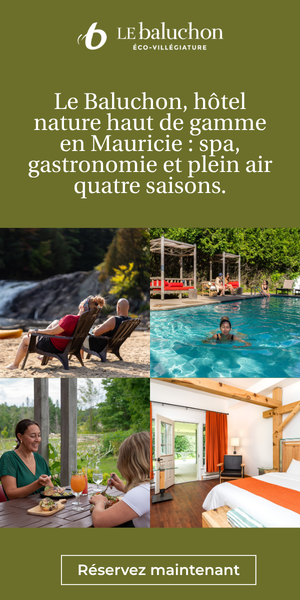
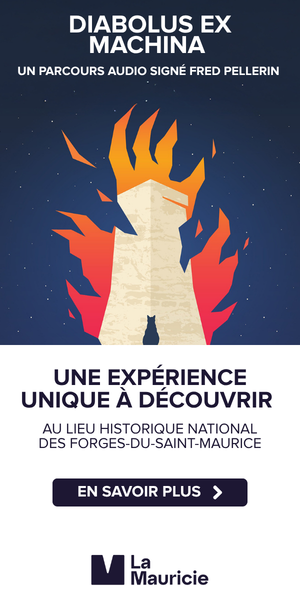
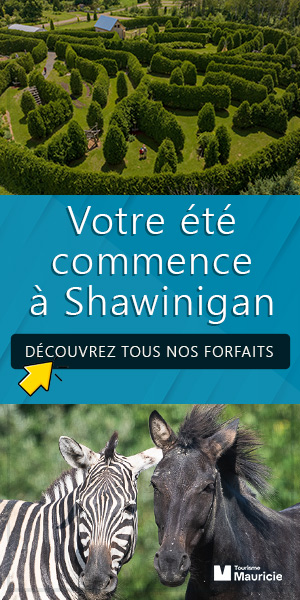
The Media Environments









The Performance Indicators Tracked
Qualified visits
Controlled frequency and unique reach
Viewability rate
vCPM
Results Generated
Beyond delivery performance, this campaign demonstrates that a 100% Quebec media activation is a genuine performance driver for tourism destinations, combining reach, media quality, and qualified visits.
47 430 qualified visits
709 538 people reached
A controlled average frequency of 3.08
85% average viewability (average IAB Canada benchmark: 70%)
2.18 million impressions delivered
vCPM of $10.83
Key Takeaways
A 100% Quebec inventory becomes a performance driver
A strategy delivered exclusively across Quebec media can offer substantial reach, excellent media quality, and measurable results for tourism destinations.
A high-performing tourism strategy must support its audience throughout the entire journey
The most effective campaigns do not stop at inspiring a visit. They also engage during the stay to influence decisions at the moment they are made.
Message relevance depends as much on context as on audience
Pairing the right message with the right delivery environment strengthens campaign relevance and improves impact throughout the traveller’s journey.
A high-performing campaign is also a source of marketing intelligence
Beyond immediate results, analyzing audiences, creative, and delivery environments makes it possible to identify the most effective levers and inform future marketing strategies.